
Author: WSSG

Exercise to Improve Mental Health: Unlocking Better Well-Being Through Physical Activity

Engaging in regular exercise has been shown to significantly enhance mental health. Physical activity not only boosts mood and reduces anxiety, but it also fosters resilience and promotes overall emotional well-being. Many individuals discover that incorporating simple forms of exercise into their daily routines can lead to noticeable improvements in their mental clarity and stability.

Research indicates that various types of physical activity, from walking to structured workouts, contribute positively to mental health outcomes. These benefits can arise from the release of endorphins, the body’s natural mood lifters, as well as from the social interactions often found in exercise settings.

Understanding the link between exercise and mental health can inspire individuals to prioritize physical activity as a vital component of their self-care strategy. By embracing exercise, they can unlock a pathway to reduced stress and enhanced psychological resilience.

The Connection Between Exercise and Mental Health

Exercise plays a significant role in improving mental health by addressing various disorders and inducing neurobiological changes. Engaging in physical activity can alleviate symptoms of conditions such as depression and anxiety while promoting brain health.

Mental Health Disorders and Physical Activity

Research indicates a strong link between mental health disorders and physical activity levels. Individuals dealing with depression often experience lower energy levels, making exercise challenging. However, regular physical activity can help reduce symptoms.

For those with anxiety, exercise serves as a natural stress reliever. Activity stimulates endorphin production, which improves mood and reduces feelings of tension. PTSD patients also benefit; structured exercise can mitigate symptoms by promoting routine and providing a physical outlet for stress.

Further, individuals with ADHD may find that exercise boosts concentration and reduces impulsivity. In contrast, people with schizophrenia can experience cautious benefits, as exercising in group settings fosters social interactions, which are essential for emotional regulation.

Neurobiological Effects of Exercise

Exercise triggers several neurobiological changes that promote mental well-being. Physical activity leads to increased levels of cortisol, a hormone that, in moderation, helps manage stress. However, over-exercising may have detrimental effects on mental health by causing burnout.

Moreover, exercise increases the release of endorphins and endocannabinoids, both of which enhance mood. This hormonal response contributes to a feeling of well-being, commonly referred to as the “runner’s high.”

Exercise also stimulates the production of dopamine, a neurotransmitter key to mood regulation and motivation. Additionally, it encourages the release of brain-derived neurotrophic factor (BDNF), which supports neuroplasticity and neurogenesis, crucial for adapting to new experiences and recovering from mental health challenges.

Types of Exercises for Mental Well-Being

Various forms of exercise have shown significant effects on mental health, enhancing mood and cognitive function. This section discusses aerobic exercises, resistance training, and yoga, illustrating how each contributes uniquely to psychological well-being.

Aerobic Exercises and Psychological Health

Aerobic exercises, such as running, cycling, and swimming, have consistently demonstrated benefits for mental health. Engaging in these activities increases the production of endorphins, which can help alleviate symptoms of depression and anxiety.

Research indicates that a regular aerobic exercise program can lead to sustained improvements in mood and a decrease in stress levels. Furthermore, studies show that it may enhance cognitive function, specifically executive function, which is essential for decision-making and problem-solving.

Participants who engage in aerobic training also report higher levels of energy and improved sleep quality, both of which positively influence mental health.

Resistance Exercise and Cognitive Function

Resistance exercise, including weightlifting and bodyweight training, plays a critical role in cognitive function and mental well-being. Evidence suggests that such exercise training can enhance cognitive improvements, particularly in older adults at risk of cognitive decline.

This type of physical exercise not only builds muscle strength but also encourages neurogenesis, which refers to the formation of new neurons. Enhanced cognitive function resulting from resistance training may lead to better memory, attention, and overall brain health.

Some studies highlight its benefits for self-esteem and confidence, providing an emotional boost alongside physical health gains.

Yoga and Mindful Movement

Yoga combines physical postures, breathing techniques, and mindfulness, making it a holistic approach to mental well-being. This practice fosters relaxation and can significantly reduce stress and anxiety levels.

Research indicates that engaging in regular yoga sessions can enhance emotional regulation and lead to improvements in mood and resilience.

Additionally, the mindful movement aspect of yoga has been linked to greater awareness and focus, effectively combating cognitive decline. Benefits extend beyond the psychological, as yoga also promotes physical flexibility and strength while fostering a sense of community among practitioners.

Implementing an Effective Exercise Program

Establishing a structured exercise program can significantly enhance mental health. It involves setting achievable goals, fostering social connections, and monitoring progress. Each component contributes to creating a sustainable routine.

Setting Realistic Goals and Expectations

Setting realistic goals is essential for long-term adherence to an exercise program. Goals should be specific, measurable, achievable, relevant, and time-bound (SMART). For example, instead of aiming for broad goals like “getting fit,” one can set a target of walking for 30 minutes, five days a week.

It’s important to start small and gradually increase intensity. This approach helps in avoiding burnout or injury. Individuals can also vary their activities to maintain interest. Incorporating flexibility into the program ensures that exercise remains manageable and enjoyable.

Regularly reviewing and adjusting goals aids in maintaining motivation. If a target feels too easy or challenging, modifying it keeps progress aligned with current fitness levels and personal circumstances.

Building Social Support Through Exercise

Creating a supportive environment enhances motivation and accountability. Engaging in group activities, such as classes or workout clubs, provides opportunities for interaction. Partnering with friends or family members can transform exercise into a social event.

Research shows that social support impacts adherence to exercise routines positively. Participants are more likely to stick to their workouts when they feel encouraged by others. Establishing a routine with a buddy system can also foster a sense of commitment.

Additionally, joining community events, like charity runs or classes, can introduce new social circles. These connections may improve self-esteem and promote a sense of belonging.

Monitoring Progress and Adjusting Routines

Tracking progress supports the effectiveness of an exercise program. Keeping a journal or using apps to log workouts and feelings can reveal patterns and insights. Individuals can assess how different activities impact their mental well-being.

Adjusting routines based on feedback is crucial. If someone feels less motivated, they may need to try new exercises or change the frequency. Staying aligned with the Physical Activity Guidelines for Americans ensures that the program meets national health recommendations.

Celebrating small milestones fosters a sense of achievement. Acknowledging improvements in physical fitness or mental state enhances self-esteem. This practice encourages individuals to commit to their exercise program and continue pursuing their goals.

Additional Considerations and Benefits

Exploring exercise’s role in mental health reveals important insights about its effectiveness across various populations and its potential as a complementary treatment strategy. Both factors highlight the nuanced benefits that exercise offers in promoting mental well-being.

Physical Exercise in Different Populations

Different populations experience unique benefits from physical exercise. For instance, older adults may find that regular activity enhances not only physical agility but also mental clarity and reduces symptoms of anxiety and depression. Engaging in low-impact activities such as walking, cycling, or swimming can improve sleep quality and overall mood.

Moreover, individuals with chronic diseases can use adapted exercise regimens to combat mental health challenges associated with their conditions. Sports programs designed for these groups often foster social connections, adding another layer of support. Collectively, these factors contribute to building resilience against stress, especially significant during stressful periods like the COVID-19 pandemic.

Exercise as Complementary Therapy

Exercise serves as an effective complementary therapy alongside traditional mental health treatments. Studies indicate it can enhance the benefits of talk therapy and other interventions, such as medication for depression. Combining physical activity with these treatments may increase the overall effectiveness of mental health programs.

Furthermore, exercise promotes a sense of routine and discipline, which can be particularly beneficial for individuals navigating mental health conditions. Activities that incorporate mindfulness, such as yoga or tai chi, also help relieve stress. During the COVID-19 pandemic, these practices have gained popularity, highlighting their importance in maintaining mental well-being amid challenges. Regular participation not only supports individual health but can also foster community engagement, crucial for mental health during isolating times.

 

Romantic Holiday Destinations: Explore the Most Enchanting Getaways for Couples

Romantic holiday destinations offer couples the chance to connect in stunning settings that enhance their bond. Whether it’s the picturesque beaches of Santorini or the cozy streets of Paris, these locales create unforgettable experiences that cater to romance. Traveling together in a romantic atmosphere can strengthen relationships and provide lasting memories.

Exploring new places together allows couples to escape their routine and discover each other’s interests. From enchanting landscapes to exquisite cuisines, each destination offers unique experiences that can deepen intimacy. The right choice can turn a simple getaway into a cherished adventure.

By selecting a romantic holiday destination, couples set the tone for quality time and shared exploration. Engaging with beautiful surroundings plays a pivotal role in creating special moments that linger long after the trip ends. Each destination has its charm, inviting couples to experience love in a new light.

Exploring the Concept of Romance in Travel

Romantic travel often intertwines with cultural heritage and natural beauty. By examining how these elements play a role, travelers can find destinations that resonate deeply with their ideas of romance.

Cultural Influences on Romantic Destinations

Cultural backgrounds significantly shape the perception of romance. In many cultures, traditions and customs dictate the ways couples express love.

For example, in France, Paris is seen as the epitome of romance, attracting couples to its charming streets and iconic landmarks. Similarly, Italian cities like Venice offer scenic canals and ornate architecture, highlighting love’s historic influences.

Festivals, music, and food are also integral parts of romantic experiences. Consider the impact of a candlelit dinner featuring local cuisine, or attending a dance festival. Such localized experiences foster connections, allowing couples to bond over shared moments steeped in cultural significance.

Natural Elements Contributing to Romance

Nature plays a crucial role in creating romantic atmospheres. Scenic landscapes, serene beaches, and majestic mountains often serve as backdrops for love stories.

Locations like the Amalfi Coast in Italy, with its breathtaking views of the sea and cliffs, set a captivating scene for couples. Similarly, the tranquility of the Maldives’ white sandy beaches provides an idyllic escape from daily life.

Additionally, elements such as sunsets and starlit skies enhance the romantic experience. A shared moment under a beautiful sunset or a night of stargazing can deepen emotional connections. These natural features inspire feelings of intimacy and adventure, making any trip unforgettable.

Top Romantic Getaways Around the World

Choosing the perfect romantic getaway can create unforgettable memories. Each destination offers unique experiences, breathtaking views, and intimate atmospheres suited for couples.

Paris, France: The City of Love

Paris stands as a quintessential romantic destination. The Eiffel Tower offers stunning views, especially at sunset when the city lights begin to twinkle. Couples can stroll down the Seine River, enjoying quiet moments along the picturesque bridges.

Lovers can also explore charming neighborhoods like Montmartre. The cobblestone streets, art galleries, and cafés provide a perfect backdrop for romance. Visiting iconic sites such as the Louvre adds cultural enrichment to the trip.

Dining at a classic French bistro enhances the experience. Sharing a meal with exquisite wine under a canopy of stars embodies the essence of romance in Paris.

Santorini, Greece: Idyllic Island Beauty

Santorini captivates visitors with its breathtaking sunsets and stunning architecture. The whitewashed buildings against the blue Aegean Sea create a perfect setting for couple-friendly activities.

Exploring the island can begin with a visit to Oia, famous for its sunsets. Couples can enjoy a dinner on a terrace, watching the sun sink into the horizon. The local cuisine offers fresh seafood and traditional Greek dishes.

Beach outings are also essential in Santorini. Relaxing on unique volcanic beaches like Red Beach enhances the intimate getaway. Island exploration, wine tasting, and boat tours are additional activities that create shared experiences.

Venice, Italy: Serenading the Canals

Venice presents a unique blend of history and romance. The canals provide an enchanting atmosphere that charms visitors. A gondola ride offers a serene way to view the city’s majestic architecture.

St. Mark’s Basilica and the Doge’s Palace showcase Venice’s rich history. Couples can take strolls through the narrow streets, discovering hidden gems and quaint shops.

Dining al fresco along the canals allows couples to immerse themselves in the stunning scenery. The sound of flowing water and distant laughter enhances the romantic ambiance. Venice, with its art, culture, and stunning vistas, creates unforgettable moments for lovers.

Maldives: Tranquil Beachside Escapes

The Maldives is renowned for its luxurious overwater bungalows and pristine beaches. This destination offers unparalleled privacy, making it ideal for couples seeking romance and relaxation.

Each resort features stunning beachfront views and vibrant coral reefs. Couples can indulge in spa treatments or enjoy candlelit dinners on the beach.

Water activities like snorkeling and diving allow exploration of the vibrant marine life. The crystal-clear waters offer opportunities for intimate moments, be it a sunset swim or a private boat ride.

For couples and nature lovers alike, timing the visit can add a magical touch to the trip. For instance, planning the trip during the maldives whale shark season can provide a rare chance to see these gentle giants up close, creating unforgettable memories amid the tropical paradise.

The idyllic setting fosters connection, making the Maldives an exceptional choice for romantic getaways.

Kyoto, Japan: Historical Charm

Kyoto combines traditional beauty and serene landscapes. Known for its ancient temples and stunning gardens, it offers a unique romantic atmosphere. Cherry blossom season enhances the experience, attracting lovers from around the world.

Couples can visit Kinkaku-ji, the Golden Pavilion, surrounded by beautiful gardens. A stroll through the Arashiyama Bamboo Grove adds a touch of adventure to the trip.

Dining in a traditional ryokan provides insight into Japanese culture. Sharing a kaiseki meal—an artful series of dishes—can be an unforgettable experience. This harmonious blend of history and nature makes Kyoto a must-visit romantic destination.

Planning Your Romantic Holiday

Planning a romantic holiday involves a careful selection of accommodations, a thoughtfully crafted itinerary, and unique culinary experiences. Each element contributes to creating a memorable getaway.

Selecting the Perfect Accommodation

Choosing the right place to stay sets the tone for the holiday. Couples should consider factors such as privacy, location, and amenities. Boutique hotels, charming bed and breakfasts, luxurious resorts, or cozy cabins in Big Bear Lake and other scenic destinations can enhance the romantic atmosphere by offering both seclusion and beautiful surroundings.

Look for accommodations that offer romantic packages. These often include services like candlelight dinners or spa treatments. Comparing guest reviews helps in identifying the best options. Ultimately, the ideal accommodation balances comfort, romance, and convenience to create an intimate setting.

Creating a Memorable Itinerary

A well-planned itinerary ensures a mix of relaxation and adventure. Couples should prioritize activities that reflect their shared interests. Consider local attractions, scenic spots, and cultural experiences.

Include time for leisure activities, such as strolls on the beach or picnics in gardens. It can be beneficial to schedule surprises, like a private sunset cruise or a visit to a vineyard. The itinerary should flow naturally, allowing flexibility for spontaneous moments.

Dining and Culinary Experiences

Dining becomes a highlight of any romantic getaway. Research local cuisines and unique dining venues to enhance the experience. Fine dining restaurants offer an elegant atmosphere, while street food can provide unforgettable flavors.

Reservations at popular spots are essential to avoid disappointment. Exploring local markets together can also be enjoyable and lead to discovering hidden gems. Consider cooking classes or food tours to engage in culinary experiences that create lasting memories.

Activities to Bond and Reconnect

Engaging in shared activities can significantly enhance the connection between couples. Embracing experiences together fosters communication and intimacy, allowing partners to strengthen their bond.

Couples Spa and Wellness Retreats

Couples spa retreats offer a serene environment for relaxation and rejuvenation. These retreats often feature side-by-side massages, facials, and other treatments that create a shared experience of care and pampering.

Many wellness retreats also incorporate yoga and meditation classes, encouraging participants to connect on a deeper level. The focus on relaxation helps relieve stress, making it easier to communicate openly.

Choosing a spa known for its tranquil surroundings, such as a beachfront or mountain resort, can further enhance the experience. This change of scenery allows couples to escape daily distractions and focus on each other.

Adventure and Exploration

For couples who thrive on adrenaline, adventure activities can provide exhilarating bonding experiences. Engaging in outdoor activities like hiking, zip-lining, or rock climbing encourages teamwork and trust.

Exploring a new city or natural landscape together also offers opportunities for shared discoveries. Planning a guided tour or participating in local adventures fosters collaboration and spontaneity in the relationship.

Additionally, adventurous experiences can spark conversations and memories that last a lifetime. Trying something new can lead to laughter and shared excitement, creating a lasting connection between partners.

Arts, Music, and Cultural Events

Attending artistic or cultural events allows couples to engage intellectually and emotionally. From art galleries and theater performances to music festivals, these events can inspire discussions and shared interests.

Participating in workshops, such as painting or cooking classes, encourages couples to collaborate creatively. These interactive experiences can reveal new talents and deepen appreciation for each other’s skills.

Exploring local culture through food festivals or historical tours can also enhance the bonding experience. Such activities provide context to the destination, offering couples a richer understanding of their environment while enjoying each other’s company.

Seasonal Considerations

Different seasons offer unique romantic experiences, making it essential for couples to choose destinations based on their preferences. Each season presents distinct charms and activities that can enhance their getaway.

Winter Wonderland Destinations

Snowy landscapes transform many locations into romantic wonderlands during winter. Destinations like Aspen, Colorado, and Quebec City, Canada are perfect for couples who enjoy winter sports, cozy lodges, and stunning views.

Many resorts offer activities such as skiing, snowboarding, and ice skating. In addition, charming holiday markets and festive decorations create a warm atmosphere. Evening strolls through snow-covered streets, hot cocoa in hand, add to the intimate experience.

For a more relaxed vibe, couples can opt for destinations like Zermatt, Switzerland, known for its quaint chalets and breathtaking mountain scenery. A ride on the Gornergrat railway, offering panoramic views of the Matterhorn, can become a memorable highlight of their trip.

Summer Lovin’ Beaches

Summer is synonymous with beach getaways, where couples can bask in the sun and enjoy a wide range of activities. Santorini, Greece, known for its stunning sunsets and whitewashed buildings, attracts lovers seeking a picturesque backdrop for their romance.

Beach destinations like Maldives or Bali, Indonesia offer luxurious resorts and crystal-clear waters. Couples can indulge in water sports, spa treatments, and candlelit dinners on the beach.

For those preferring vibrant atmospheres, cities like Barcelona, Spain, come alive with nightlife, beach bars, and cultural attractions. Summer festivals often enhance the romantic experience, providing entertainment and opportunities for connection.

Spring Blossoms and Autumn Foliage

Spring and autumn provide picturesque settings rich with natural beauty. Spring brings blossoms, making places like Washington, D.C. famous for its cherry blossoms a top choice. Romantic picnics under blooming trees create memorable moments for couples.

In autumn, destinations like New England showcase vibrant fall foliage, ideal for scenic drives and cozy hikes. Charming towns like Burlington, Vermont, and Asheville, North Carolina, offer festivals celebrating the season, enhancing the overall experience.

Seasonal considerations help make informed choices for a romantic holiday, ensuring couples find the perfect backdrop for their escape.

Travel Tips and Considerations

Preparation is key when planning a romantic holiday. By considering climate, local customs, and communication needs, travelers can enhance their experiences and avoid potential pitfalls.

Packing for Different Climates

Travelers should research the weather conditions of their destination to pack accordingly. 

Essential items include:

  • Layered Clothing: This allows for adjustments to varying temperatures.
  • Weather-Appropriate Footwear: Comfortable shoes for city exploration or sandals for beach destinations are important.
  • Accessories: Swimwear, hats, and sunscreen for warm climates; scarves and gloves for colder areas.

A packing list tailored to the specific climate and activities can greatly reduce stress. It is also wise to consider the types of activities planned, such as hiking or dining, which may require specialized clothing.

Navigating Local Customs and Etiquette

Understanding local customs can enhance interactions and show respect for the culture. 

Key areas to focus on include:

  • Greetings: Different cultures have unique preferences for greetings, from handshakes to cheek kisses.
  • Dining Etiquette: Familiarize with table manners, such as how to use utensils and when to leave tips.
  • Appropriate Dress: Some places may require conservative clothing, especially in religious sites.

Researching specific customs through travel guides or reputable online sources prepares travelers for genuine engagement with locals.

Staying Connected: Internet and Communications Abroad

Access to internet and phone services varies by location. 

To stay connected, consider the following:

  • International Roaming Plans: Check with mobile carriers about options for using phones abroad.
  • Local SIM Cards: Purchasing a local SIM can be a cost-effective way to access data and make calls.
  • Public Wi-Fi: Many cafes and hotels offer free Wi-Fi, but using a VPN is recommended to ensure security.

Bringing portable chargers is essential for devices that are used frequently for navigation and communication.

Why Sleep Is Important for Your Health and Well-Being

Sleep plays a crucial role in overall health and well-being. Adequate sleep is essential for cognitive function, emotional stability, and physical health. Without sufficient rest, individuals may experience diminished focus, increased stress levels, and a weakened immune response.

The effects of sleep extend beyond mere fatigue. Quality sleep supports learning, memory consolidation, and decision-making abilities. It also aids in regulating hormones and promoting recovery in the body.

Understanding the importance of sleep can lead to better habits and lifestyle choices. Prioritizing sleep not only enhances productivity and mood but also fosters long-term health and resilience.

Fundamentals of Sleep and Health

Sleep plays a critical role in overall health by influencing various physiological functions. Understanding the intricacies of sleep cycles, hormonal impacts, and sleep needs across different ages can help individuals improve their wellness and performance.

The Sleep Cycle: Understanding REM and NREM Sleep

Sleep consists of two primary types: Rapid Eye Movement (REM) and Non-Rapid Eye Movement (NREM) sleep. Each cycle lasts approximately 90 minutes and typically repeats several times during a full night.

NREM sleep has three stages, each contributing to physical recovery, memory consolidation, and cognitive function. Stage 1 is light sleep, where a person drifts in and out of sleep. Stage 2 marks a transition into deeper sleep, and stage 3 involves deep sleep, essential for growth and recovery.

REM sleep occurs after NREM cycles and is crucial for emotional regulation and memory processing. It is during this phase that dreams typically occur. Quality sleep that includes sufficient time in both REM and NREM is vital for optimal health.

Hormones and Sleep: Roles of Melatonin and Cortisol

Hormones significantly influence sleep quality and cycles. Melatonin, produced by the pineal gland, regulates circadian rhythms. Its levels increase in the evening, promoting sleep, and decrease in the morning, facilitating wakefulness.

Cortisol, known as the stress hormone, has an inverse relationship with sleep. Elevated cortisol levels can lead to difficulty falling asleep or staying asleep. Consistent disruptions in cortisol production may affect sleep patterns and overall health.

Maintaining balanced hormone levels can improve sleep quality. Strategies such as exposure to natural light during the day, minimizing blue light exposure at night, and managing stress can enhance melatonin production while keeping cortisol in check.

Sleep Needs Across Lifespan: Children to Adults

Sleep needs vary significantly across different life stages. Newborns require around 14-17 hours of sleep daily, which is critical for growth and development. As children grow, their sleep needs decrease gradually.

School-aged children typically need about 9-11 hours of sleep. Adolescents benefit from 8-10 hours, as they undergo significant hormonal changes that affect sleep patterns.

For adults, 7-9 hours of sleep is generally recommended to ensure cognitive function and physical health. Aging may alter sleep patterns, leading to lighter and shorter sleep durations. Recognizing these variations can help individuals prioritize their sleep needs effectively.

Physical and Mental Health Impacts

Sleep has significant effects on both physical and mental health. Adequate sleep supports cardiovascular and metabolic functions while playing a role in immune health and mental well-being.

Cardiovascular and Metabolic Health

Quality sleep is linked to improved cardiovascular health. It helps regulate blood pressure, reducing risks of hypertension and heart disease. Studies show that lack of sleep can contribute to increased inflammation, which is a key factor in the development of heart conditions.

Moreover, sleep affects metabolism. Insufficient sleep is associated with obesity, as it disrupts hunger hormones and increases cravings for high-calorie foods. This connection can lead to conditions such as type 2 diabetes, where insulin sensitivity declines. Maintaining a regular sleep schedule can help in controlling weight and preventing metabolic disorders.

Immune Function and Disease Prevention

Sleep is crucial for a well-functioning immune system. During sleep, the body produces cytokines, which are essential for fighting infections and inflammation. A lack of sleep can diminish the production of these proteins, compromising immune responses.

Consequently, sleep deprivation can increase susceptibility to illnesses. Chronic sleep issues have been linked to higher risks of diseases like cancer and autoimmune disorders. Prioritizing sleep can enhance immune function, supporting better health outcomes and disease prevention.

Mental Health, Cognition, and Emotional Well-being

Sleep plays an essential role in mental health. Insufficient sleep is associated with increased risks of depression and anxiety. It affects emotional regulation, making individuals more prone to mood swings and irritability.

Furthermore, adequate sleep enhances cognitive functions such as memory consolidation and problem-solving. It supports brain plasticity, allowing for better learning and information retention. People who prioritize sleep often experience improved focus and decision-making skills, contributing to overall emotional well-being.

Consequences of Sleep Deprivation and Disorders

Sleep deprivation and related disorders can significantly impact various aspects of health, daily functioning, and well-being. The effects are evident in performance, the risk of sleep disorders, and disruptions to weight and appetite regulation.

Impact on Performance and Safety

Sleep deprivation directly affects cognitive functions, including decision-making and reaction times. A sleep-deprived individual may experience impaired alertness, leading to slower responses. This decline in performance can have critical implications in safety-sensitive environments, such as driving or operating machinery.

Studies have shown that individuals who sleep less than seven hours per night are at a higher risk of accidents due to decreased attention and coordination. This effect is cumulative; chronic sleep deprivation leads to a significant drop in overall performance and an increased likelihood of errors. These detrimental effects could potentially cause to a loss of income if the poor performance continues over a long stretch of time, which is likely if chronic sleep deprivation is the case. Because of this, doing some research into which of the mattresses considered the best mattress 2024 is right for you can be a worthwhile time investment, as well as a money one. Investing in a better quality mattress to improve your sleep may help to offset performance problems lacking from sleep deprivation, helping you to perform better and earn more through your work.

Risk of Sleep Disorders

Chronic sleep deprivation can increase the risk of developing sleep disorders such as insomnia and obstructive sleep apnea (OSA). Insomnia leads to difficulty in falling asleep or staying asleep, creating a cycle of fatigue and unrest.

Obstructive sleep apnea is characterized by repeated interruptions in breathing during sleep. This condition contributes to excessive daytime sleepiness and can exacerbate other health issues, including high blood pressure and diabetes. Both disorders require proper diagnosis and intervention to prevent further complications. One such treatment for sleep apnea can be a CPAP machine, which allows for easier breathing during the night. It may be supported by cpap cleaning machines, which clean the main device when it is not in use.

Weight, Appetite, and Metabolic Disruption

Lack of sufficient sleep disrupts the balance of hormones regulating appetite. Specifically, leptin (which signals satiety) decreases, while ghrelin (which stimulates hunger) increases. This hormonal shift can lead to increased calorie intake and food cravings.

As a result, sleep deprivation is associated with weight gain and a higher body mass index (BMI). Research indicates that individuals who consistently lack sleep are more likely to become obese, which can further complicate efforts to maintain a healthy lifestyle.

Strategies for Improving Sleep Quality

Improving sleep quality involves various strategies that encompass environmental adjustments, dietary considerations, and effective stress management practices. These approaches aim to cultivate better sleep habits and enhance overall well-being.

Sleep Hygiene and Environment

Sleep hygiene refers to habits and routines that support consistent, high-quality rest. This includes maintaining a regular schedule—going to bed and waking up at the same time each day—to help regulate your internal clock and improve overall well-being.

Creating a comfortable sleep environment is just as important. A quiet and dark room sets the stage for restful sleep—but that’s only part of the picture. The surfaces you sleep on also play a major role in the quality of your rest. That’s why investing in high-quality pillows and mattresses—like those found by looking up “Luxe Mattresses” on the Web — can often make a significant difference. Ultimately, choosing materials that provide proper support and comfort can help reduce aches, improve posture, and enhance overall sleep quality.

Temperature control is another crucial factor. Maintaining a cool room can enhance rest and promote deeper, more restorative sleep. Regularly monitoring and adjusting your bedroom temperature guarantees it stays within an ideal range for optimal sleep quality. To support this further, hiring experts specializing in AC repair Glendora (or your local area) for regular maintenance ensures that air conditioning systems operate efficiently, preserving a comfortable bedroom temperature throughout the night. Proper airflow, humidity control, and well-sealed windows help prevent drafts and reduce external noise, further enhancing sleep quality.

Other effective strategies include using blackout curtains to block light, employing white noise machines or earplugs to mask disruptive sounds, and using air purifiers to improve indoor air quality. Furthermore, it is important to keep electronics out of the bedroom to minimize distractions. Blue light from screens can interfere with your body’s natural sleep-wake cycle, so reducing screen time at least an hour before bed can significantly improve sleep quality.

Nutrition and Lifestyle Factors

Diet plays a significant role in sleep quality. Consuming a balanced diet that includes whole foods can positively affect sleep patterns. Certain nutrients, like magnesium and B vitamins, are known to promote relaxation.

Caffeine and nicotine should be limited or avoided, especially in the hours leading up to sleep. Both substances can disrupt the ability to fall and stay asleep. Alcohol may initially help with sleep onset but often leads to fragmented sleep later in the night.

Regular physical activity contributes to better sleep by reducing stress and anxiety levels. However, exercising too close to bedtime can have the opposite effect. Ideally, exercise should occur at least a few hours before going to bed.

Managing Stress and Anxiety

Chronic stress and anxiety can severely impact sleep quality. Practicing relaxation techniques such as deep breathing, yoga, or mindfulness can help mitigate these feelings.

Establishing a daily routine that includes moments of relaxation can enhance mental health. Journaling before bed can also be beneficial, allowing individuals to process thoughts and worries.

Incorporating cognitive behavioral strategies can help change negative thought patterns that disrupt sleep. Seeking professional support when anxiety becomes overwhelming can also lead to improved sleep outcomes.


Impact of Phobias on Mental Health: Understanding and Overcoming Them

Are you afraid of spiders, heights, or enclosed spaces? These are common phobias that can affect people’s daily lives and mental health. Phobias can create intense fear and anxiety, leading to avoidance behaviors that limit one’s ability to function. We’ll explore the impact of phobias on mental health and provide tips for understanding and overcoming them.

Let’s dive into the world of phobias!

What are Phobias?

It is estimated that about 10% of the population in the United States suffers from some type of phobia. A phobia is an intense and irrational fear of something that poses no real danger.

Phobias can have a significant impact on a person’s mental health. They can cause anxiety and depression, and can make it difficult for a person to function in their day-to-day life. If you suffer from a phobia, it is important to understand that you are not alone and that there are treatments available that can help you manage your symptoms and live a full and healthy life.

Types of Phobias and the Impact on Mental Health

There are many different types of phobias, including agoraphobia (fear of open spaces), claustrophobia (fear of enclosed spaces), and specific phobias (fear of certain objects or situations, such as heights, flying, or animals). These phobias can often lead to anxiety and panic attacks, which can be very debilitating.

Causes of Phobias

There are many different potential causes of phobias. Some people may develop them after a traumatic event, while others may be genetically predisposed to them. There is also some evidence that suggests that phobias can be learned through classical conditioning.

One of the most common theories about the cause of phobias is that they are a result of conditioning. This means that people learn to associate certain objects or situations with negative experiences. For example, if someone had a bad experience while swimming, they might develop a fear of water.

Another theory is that phobias are innate, which means that they are present from birth. This theory is supported by the fact that many people with phobias report never having had any negative experiences with the object or situation they fear.

Regardless of their cause, phobias can have a significant impact on mental health. People with phobias often go to great lengths to avoid their feared object or situation, which can lead to social isolation and anxiety. Phobias can also interfere with work and school performance.

Common Symptoms of Phobias

The many different types of phobias can come with their own unique set of symptoms. However, there are some common symptoms that are often seen in people with phobias, which can include:

  • Intense fear or anxiety when faced with the object or situation that is feared
  • Avoidance of the object or situation that is feared
  • Physical symptoms such as increased heart rate, sweating, shaking, and difficulty breathing when faced with the object or situation that is feared
  • Thoughts and beliefs about the object or situation that is feared that are out of proportion to the actual danger involved
  • Interference in daily life due to fear and avoidance

Treatment for Phobias

The different types of phobias require different approaches to treatment. The most common type of phobia is specific phobia, which is an irrational fear of a specific object or situation. This can be treated with exposure therapy, which involves gradually exposing the patient to the thing they’re afraid of until they no longer feel anxious about it.

Social phobia is another common issue among individuals, causing significant anxiety, self-consciousness, and embarrassment in everyday conversations. This type of phobia could be effectively addressed through art therapy, which uses creative techniques to help individuals express themselves and understand their emotions. It includes activities such as drawing, painting, and sculpture-making. Furthermore, the benefits of art therapy may include boosting self-esteem, reducing stress and anxiety, and enhancing self-awareness.

Similarly, other types of phobias usually involve a combination of medication and cognitive behavioral therapy. Medication can help to reduce anxiety symptoms, while therapy can help the patient to understand and change their thought patterns.

Coping Strategies for Living with Fear and Anxiety

As much as we might wish otherwise, fear and anxiety are a natural part of life. Everyone experiences these emotions from time to time, and they can actually be helpful in some situations. For example, fear can motivate us to take action to avoid danger, and anxiety can help us stay alert and focused.

However, when fear or anxiety becomes excessive or persistent, they can become disabling. This is especially true when they’re accompanied by phobias which can make it difficult or even impossible to do everyday activities such as driving, going to work, or leaving the house.

If you live with fear and anxiety, there are things you can do to cope. Here are some strategies that may help:

  • Identify your triggers. If you know what causes your fear or anxiety, you can try to avoid those triggers or be prepared for them when they occur.
  • Challenge your thinking. If you tend to catastrophize or dwell on negative possibilities, try to reframe your thoughts in a more positive light. For example, instead of thinking “I’m going to have a heart attack if I give this presentation,” tell yourself “I’ve given presentations before without having a heart attack and I can do it again.”
  • Breathe deeply. When you’re feeling anxious or stressed, take a few deep breaths and focus.

In addition to these tips, you may regularly practice mindfulness and exercise for 30 minutes a day, which can release mood-elevating hormones. Further, you can take Massage Therapy in Omaha, NE or similar other places, which can allow you to relax and relieve stress.

If none of these methods work out for you, it may be time to consider seeking professional help. It can provide a structured approach to address your challenges in a way that is tailored to your specific needs. Therapists, counselors, or specialists who may offer anxiety therapy near you are often trained to understand the complexities of personal struggles and can, therefore, offer insights and techniques that might not be apparent through self-help methods.

Understand and Overcome Your Phobia

Phobias can have a significant impact on our mental health, but understanding what causes them and how to overcome them is key. With proper support and guidance from professionals, it is possible for those affected by phobias to manage their fears and lead healthier lives. Taking the time to research different treatments available, such as cognitive behavioral therapy or exposure therapy, can greatly help in finding a way forward from these often debilitating conditions.

Hybrid vs. Sativa vs. Indica: Choosing the Right Strain for You

As you start to consider cannabis as a medication, or potentially starting a new business venture? You might be overwhelmed right now with all the choices. While we’re always here to help you by answering your we thought we’d help you get started by breaking down the basics of cannabis strains. It is important to be aware of what is out there as well as where you can get them from, whether that be wholesale from cannabis seed banks, or at a local certified store.

What Is Hybrid?

Hybrid cannabis plants get their nickname from the fact that they combine the best characteristics of two different types of cannabis. Hybrid marijuana strains are a crossbreed that retains the best qualities of both parents. The strain grows tall with long branches, creating large, dense buds with potent THC. However, these buds have a more subtle flavor than the full-bodied, piney scent of a pure Sativa strain. Hybrid strains provide a happy, balanced high that is suitable for daytime use.

Hybrids are the perfect strain for smokers who want to experience all of the best qualities of both indica and sativa. They have the mellow effects of indices that make them great for daytime use, but they also have sativa-like effects that make them great for nighttime use. Hybrids are also known for their great taste: some strains are sweet, some are sour, some have citrus or berry flavors, and others have pine or earth flavors. Hybrids are known for being balanced, so they’re especially good for joint smokers. For an even smoother smoking experience, many hybrid users prefer using a bubbler, which combines the portability of a pipe with the water filtration of a bong, delivering a cooler and more enjoyable hit.

What Is Sativa?

Sativa plants have narrow leaves and short stalks and long flowering periods. Indica plants are not known for high potency, while Sativa plants are known for producing high-potency buds. Indica plants, whose short flowering period means they often need topping to reach their peak, are most often preferred by couch-potato stoners, while Sativa plants, whose long flowering period simply means they take longer to finish, are most often preferred by growers. However, both botanical types offer their own unique characteristics that appeal to different consumers.

Sativa strains are some of the most popular marijuana strains on the market. They are distinct for the most part from Indica strains, which are mostly grown for medicinal purposes. The effects of Sativa strains are also more energizing and uplifting than Indica strains. Does this mean that Sativa strains are better for daytime use? No. Each strain has its own medicinal benefits, so if you are dealing with a specific condition, it may be best to consider which Sativa strain is most suited to you.

What Is Indica

Indica is known for its relaxing, narcotic effects, while sativa is more focused on energizing and stimulating the mind. While both can have medical uses, they’re used for different purposes.

Indica strains, by their very definition, are strains that are recommended for users who want to be sedated, relaxed, sleepier, and in less pain. Indica’s are known for their heavy effects; the highs can last for hours and will often make you feel drowsy and lethargic. However, many users also report feelings of euphoria and mental clarity as well-and when sleepy and lethargic aren’t your thing, this hybrid’s effects can be a great way to achieve a calm, focused, productive, and creative headspace.

The cannabis plant is a complex and unique plant. There are many different strains and cannabinoids that come into play when you consume cannabis. The differences can be subtle, such as whether you experience sativa or indica dominant high, or they can be more noticeable, like whether you prefer buds with fruity, earthy, or minty tastes.

When most people think of marijuana, they think of smoking pot. But a lot of consumers don’t realize that pot isn’t just about inhaling smoke to get high. It can be a topical pain reliever, as well as an ingredient found in many natural skin products.

Common Mental Health Issues and How To Approach Them

Have you ever had that feeling of sadness, emptiness, or even a sense of hopelessness? Many people have these feelings from time to time, especially when they are feeling overwhelmed with life. If this sounds like something you might be experiencing right now, then it’s important to recognize the signs and get support while you’re still able to.

In this article, we’ll talk about the most common mental health issues and how to approach them.

Depression

This is the most common mental health issue, affecting about 20% of adults in the United States. It’s usually caused by something going on in your life, like a loss or change. Depression can make you feel really down, hopeless, and empty inside. You might not be able to concentrate or get out of bed. There’s often a feeling that everything is terrible and there’s no point in trying anymore.

The good news is that depression can be effectively treated with medication and/or therapy. Treatment typically begins with identifying the underlying causes of your depression and working to address them. For many, this might involve starting with medication or therapy to manage symptoms and provide relief.

In recent years, alternative treatments, such as natural remedies and supplements, have gained popularity as well. For example, some individuals may explore cannabis as part of their treatment plan, particularly through resources, like a marijuana dispensary emeryville (or elsewhere), where experts can guide you on safe and legal options. Additionally, holistic approaches like meditation and acupuncture are also being considered to complement traditional treatment methods.

However, it’s important to be aware of the not-so-good news: some depression medications can potentially be addictive and may come with severe withdrawal symptoms if discontinued abruptly. So, if you decide to stop taking these medications, it’s crucial to do so under the guidance of a healthcare professional.

Professionals can help develop a safe and gradual tapering plan to minimize withdrawal effects and explore alternative treatments. That explained, seeking addiction treatment sedona (or anywhere you live) from a qualified mental health provider can ensure that you receive comprehensive care tailored to your needs, helping you handle the difficulties of recovery.

Anxiety

Anxiety is a mental health condition that affects millions of people around the world. It’s a feeling of anxiety and fear, which can be constant or intermittent. There are different types of anxiety, but they all share some common symptoms.

The most common type of anxiety is generalized anxiety disorder (GAD). People with GAD experience frequent, severe episodes of anxiety and worry. These episodes can make everyday activities difficult and can lead to problems at work or school. Other symptoms of GAD include trouble sleeping, tension headaches, insomnia, rumination (overthinking things), and feeling tense all the time.

If you’re experiencing any of these symptoms – or if you just feel like your life is constantly spinning out of control – you may have GAD. The best way to diagnose GAD is to see a doctor or therapist who can help you figure out the root cause of your anxiety, and provide treatment if necessary. Working with a therapist that specialises in anxiety therapy like Bridgehope Family Therapy will allow you to dive into the root of your problems and get the correct treatment for your condition.

PTSD

Post-traumatic stress disorder (PTSD) is a mental health condition that can develop after exposure to an event that is traumatic, such as a serious accident, assault, or natural disaster. Symptoms of PTSD can include flashbacks, nightmares, and intense anxiety or fear. If left untreated, PTSD can lead to depression and other mental health problems.

Some common treatments include therapy, medication, and acupuncture. Most people with PTSD improve significantly with treatment, but it may take time and effort. It’s important to seek help if you’re experiencing symptoms of PTSD because it can be debilitating and interfere with your ability to live a normal life. However, for those who do not find relief from traditional treatments, exploring alternative therapies can be beneficial. One such option can be ibogaine treatment, which is derived from the roots of an African plant. However, before you consider this path, it is important to search and verify “how much does ibogaine treatment cost in mexico” or for a different location that offers such treatment options.

Moreover, it can be a valuable addition to a complete treatment plan. It is important to approach mental health issues with an open mind and a willingness to explore different treatment options. Finding the right approach can make a difference in managing mental health challenges.

ADHD

Each person with the disorder experiences it differently. However, there are some general tips that can help any individual with ADHD live a more productive and organized life.

  1. Set realistic goals for yourself. Don’t try to do too much at once; take things one step at a time. If you’re trying to focus on your schoolwork, set smaller goals such as completing one assignment during the day instead of working on 10 in a row.
  2. Structure your day/weekend accordingly. Make sure you have a routine and stick to it as much as possible. This will help you stay on track and avoid feeling overwhelmed or stressed out.
  3. Get enough sleep. It’s important to get enough sleep not only for your own health but also for those around you who may be dealing with your ADHD symptoms while you’re sleeping. Try to go to bed and wake up at the same time every day, even on weekends if possible. This will help regulate your body’s natural sleep rhythm and improve your overall concentration and productivity during the weekdays
  4. Exercise regularly. Being physically active can help calm down the mind and body, which can work together synergistically to improve ADHD symptoms in many people. Try incorporating some form of exercise into your daily routine – walking, biking, swimming – something that you enjoy doing and that gives you a sense of accomplishment or progress.

Panic Disorder

Panic disorder is a mental health condition characterized by recurrent attacks of fear or anxiety that are out of proportion to the triggering event. Symptoms may include intense fear of losing control, racing heart, shortness of breath, sensations of being smothered or choking, and a sudden feeling of dizziness or unease. Panic disorder often occurs in people who have previously experienced a panic attack, which is a sudden unexpected episode of intense fear or anxiety that typically lasts for minutes. While the panic disorder can be debilitating and difficult to manage, there are treatments available that can help improve symptoms.

There is no one-size-fits-all approach to treating panic disorder, as each person’s experience and treatment plan will vary. Some effective treatments include medication, behavioral therapy (including exposure therapy), and group therapy. In some cases, patients may need to take multiple measures to achieve successful treatment. It is important to seek out professional help if a panic disorder is causing significant distress or interfering with daily life.

Vaping CBD: Oils and Pens for Pain

For people who smoke cannabis, vaping can be a useful method to reduce some of the negative side effects and risks. Vaping CBD oil instead of smoking it can be particularly helpful because it will bypass the need for combustion. Cannabis oils contain cannabidiol (CBD) and other cannabinoids like tetrahydrocannabinol (THC). Both THC and CBD have been found to have medicinal properties that have been used for medical purposes for thousands of years. However, smoking cannabis comes with its own set of risks, such as infection of the lung and mouth, coughing, and damage to the lungs.

Vaping CBD is effective?

Vaping CBD refers to inhaling any of the three strains of cannabis plants – Cannabis Sativa, Cannabis Indica, and Cannabis Ruderalis – in their natural state, meaning they are not processed or altered in any way after harvesting. CBD was derived from a specific strain of Cannabis Sativa (also known as hemp). This strain contains approximately 0.3 percent tetrahydrocannabinol (THC), the psychoactive ingredient in cannabis.

Vaping has been hailed as the “next big thing” in cannabis consumption, and with good reason. Converting THC and CBD into vapor allows the cannabinoids to be absorbed into your lungs without going through the digestive system. As a result, it is easily absorbed into the bloodstream, providing quick and sustained effects. However, vaping CBD is still relatively new, and there are only limited regulated products right now.

Ways to consume CBD.

Unlike THC, CBD is a compound found in cannabis that does not make you feel the effects of cannabis. The CBD industry is expanding at a rapid pace. CBD products can be purchased online as well as in a wide variety of dispensaries across the country. Even lines of CBD pet treats are available.

CBD can be used in a variety of ways, including:

  • Edibles: Cannabidiol oil has been infused into the gummies or capsules that make up CBD edibles. You can expect similar advantages to other CBD products.
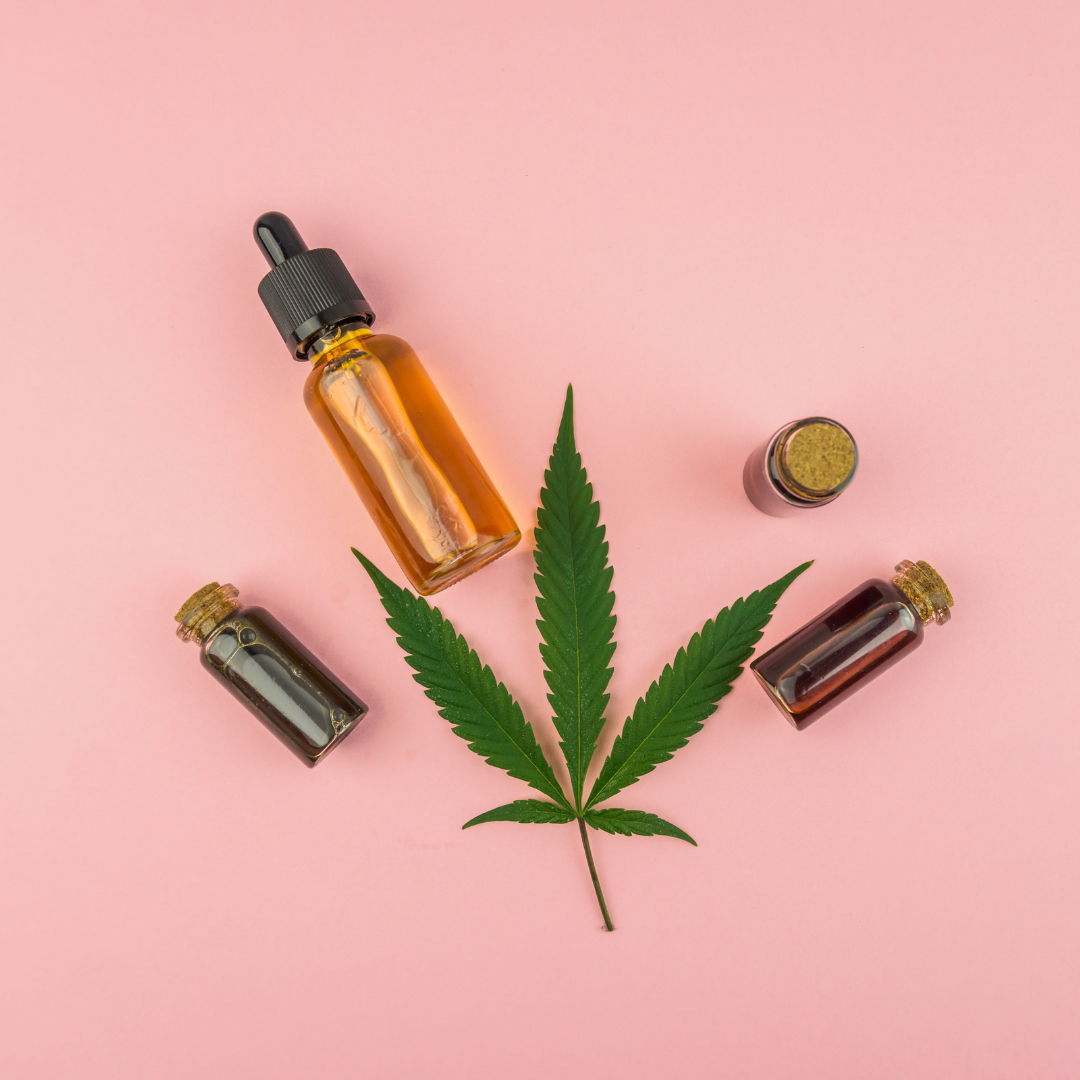
  • Tinctures: These are tinctures that have been infused with hemp oil and therefore contain CBD. You can put a few drops under your tongue, but the most common method is to add them to food and beverages.
  • Topicals: Creams, lotions, oils, and balms that contain cannabidiol are known as CBD topicals. Direct application to the skin allows for absorption through the pores.
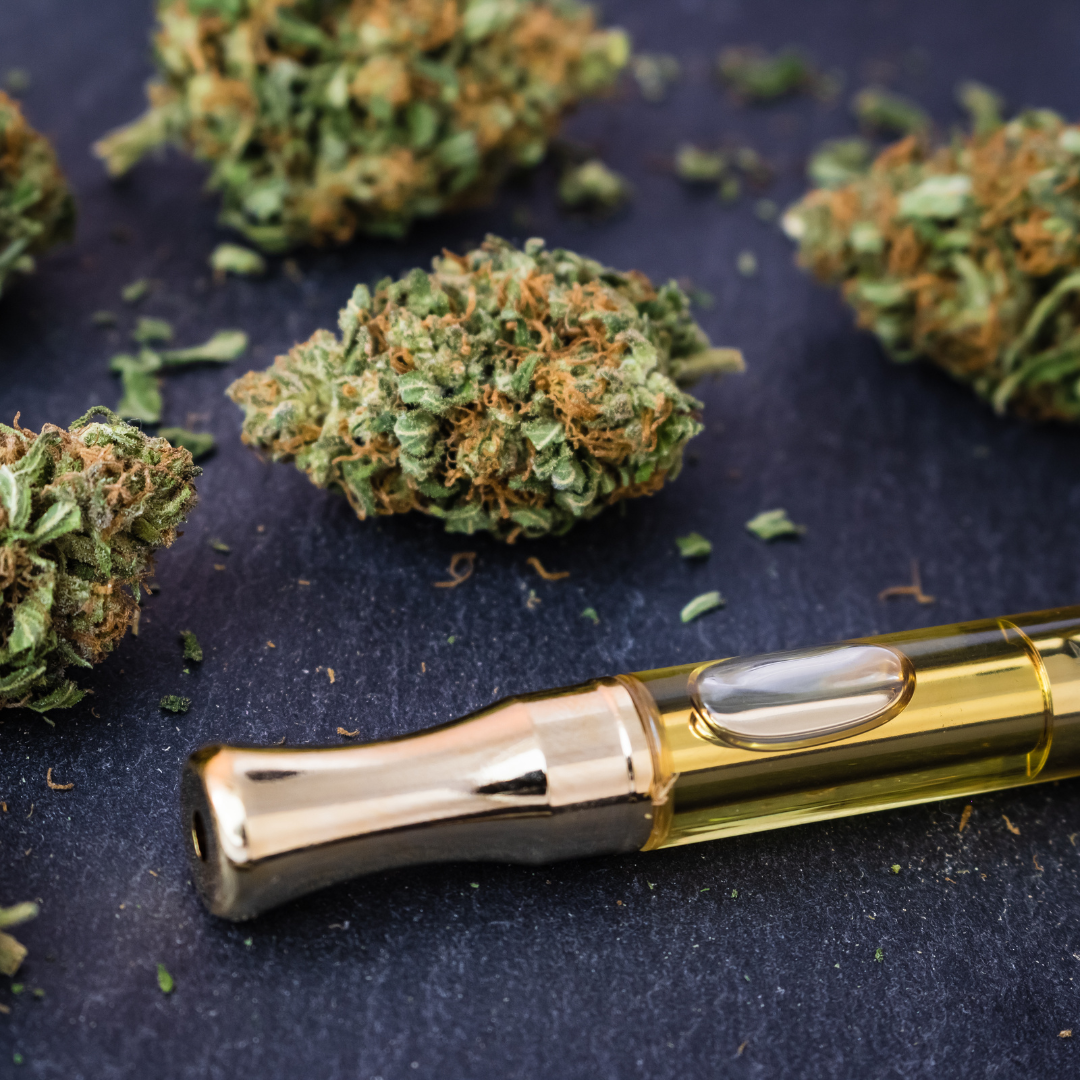
  • Vape pen: To inhale cannabinoids, you can use a dry herb vaporizer or an e-cigarette pen to produce an inhalable aerosol mist. THC and CBD oils are found in some pens, while CBD oil is the sole ingredient in others. You could explore options like mellow fellow disposable vape to find a convenient and portable way to consume CBD. Furthermore, vaping allows for rapid absorption into the bloodstream through the lungs, providing quick relief.
  • Smoking Cannabis and THC Products: Smoking cannabis buds or THC flowers is a common method of consumption. This can be done using a pipe, bong, or by rolling into a joint. Inhalation provides fast-acting effects due to direct absorption into the bloodstream through the lungs. If you’re considering to explore this method you can choose to Order THCa Flower in Texas or whatever location you reside in.

Where to buy a Vape pen and CBD oils for pain?

If you’re looking into buying CBD oil and vape pens, there are four things that you need to know. Firstly, you can’t just walk into any store to buy them. Because CBD isn’t on the Federal Drug Schedule, it’s illegal (and against federal law) to sell it without a prescription. This means that you need a prescription from your doctor or a licensed physician’s assistant to buy the products. Secondly, the best place to buy them legally is online. Various online stores like Colorado Harvest (https://coloradoharvestcompany.com/delivery/aurora/) or similar cannabis dispensaries can sell a plethora of CBD products along with vape pens and cartridges. Not just that, they can also deliver the products to your doorstep making the buying process easy. Thirdly, always ensure that the company complies with all the legal rules and regulations of your location. And lastly, look for a store that sells authentic and top-notch CBD products.

Vaping CBD is the way to go.

CBD, or cannabidiol, is an increasingly popular ingredient in vaping products because of its medical benefits. CBD makes a wonderful supplement to traditional pain relief and anti-inflammatory drugs. It’s also been proven helpful for people with anxiety, depression, and other forms of mental illness.

CBD is found in many different types of products, including tinctures, gummies, and capsules, to name a few – but vaping CBD is one of the best things about the product.

Vaping CBD is all the rage these days, but what exactly is it, and how does it work? Vaping is a type of personal inhalation of vapor, which tends to deliver a dose of the active ingredient at a higher temperature than smoking. The medical community is split on the benefits of vaping CBD, with some arguing that vaping CBD offers a higher bioavailability (the amount of the active ingredient that makes it to your bloodstream) than vaping THC. Consumers have quickly jumped on the vaping CBD train, with sales skyrocketing to over $1 billion in 2018.

What is CBD Used for?

If you’re wondering, is CBD good for you? That really depends on who you are and what your reaction/relationship is with CBD. On the health side, CBD oil is used for a variety of medical conditions, including chronic pain, inflammation, anxiety, depression, sleep issues, and arthritis. It’s also been proven to help reduce nausea, seizures, and muscle spasms.

The cannabis plant contains more than 100 different compounds, known as cannabinoids. One of these compounds, cannabidiol (CBD), does not produce the psychoactive effects (aka a “high”) associated with marijuana. CBD has no intoxicating effects, making it legal in all 50 states at some level. CBD and other cannabinoids have long been used in natural medicine to treat various ailments. Scientists are now studying the medical potential of CBD, and as more studies are conducted, the potential uses for CBD continue to expand.

Natural Pain Relief and Anti-Inflammatory Properties

Cannabis, marijuana, and hemp oil have gained national attention recently, but have you heard of CBD or cannabidiol? If you’re like some people, you haven’t. A handful of people are still unaware of what CBD is, while others have heard what CBD is but have not yet experimented with it. CBD is one of more than 100 chemical compounds in cannabis. Unlike THC, CBD does not make you high. However, CBD does have medical value. Many people use CBD for pain and inflammation relief. As its popularity grows, people will see it on shelves and online with the label of giving people relief.

Fighting Cancer

Cannabidiol (CBD) is being used to treat a number of different diseases and conditions. Now, cannabidiol is being researched as a potential treatment for cancer. More research will come out as time goes on, but scientists are looking into many different things to help with fighting cancer.

Anxiety Disorders

Anxiety disorders are one of the most common mental health conditions in the United States. There are many reasons for anxiety. Poor diet, smoking, drinking, exercise, and being under too much stress or lack of sleep all can play a negative role. The causes of anxiety disorder are different for all people, but CBD oil helps control the symptoms, which can help reduce anxiety. CBD is extracted from marijuana and hemp plants. There are many different ways to take CBD oil, and these can include vaping, lozenges, creams, and tinctures. CBD oil can help control and reduce anxiety, but a doctor’s advice is recommended.

Type 1 Diabetes

More research will need to be done on the link between CBD and diabetes, not only with type 1 but type 2 as well, to see if it can have a strong effect on people who deal with this disease. But it has been discussed how CBD can help with keeping inflammation and neuropathic pain away.

Acne

Acne breakouts can strike any time, and if you’ve been dealing with them for a while, you’re probably seeking answers. While there are many cures for acne—from costly medical procedures (or procedures that require downtime) to over-the-counter creams and lotions, none of them have been proven to be more effective than combining healthy skin care practices with lifestyle changes. The one that consistently delivers results – CBD oil. This powerful natural remedy can be consumed orally or applied topically, and both methods have proven to have significant benefits for acne-prone skin.

Alzheimer’s Disease

Alzheimer’s disease is a degenerative brain disorder that affects millions around the globe. This illness destroys brain cells over time, causing memory loss, lack of judgment, and other symptoms. Currently, scientists are researching into CBDs role in helping people with Alzheimer’s, but currently there is no definitive proof and it will need to be looked into a lot more.


The Different Types of Anxiolytic Drugs and Their Effects

Are you struggling with anxiety and looking for medication that can help ease your symptoms? Anxiolytic drugs may be the solution you need! These medications are designed to reduce feelings of fear, nervousness, and tension in individuals who suffer from different types of anxiety disorders. Let’s explore the various types of anxiolytic drugs available on the market today and their effects on your body.

Different Types of Anxiolytic Drugs

There are many different types of anxiolytic drugs, each with its own unique effects. Some of the most common anxiolytic drugs include:

  • Benzodiazepines are the most commonly prescribed type of anxiolytic drug. They work by increasing the activity of GABA, a neurotransmitter that helps to regulate anxiety. Benzodiazepines can be taken as needed for anxiety or on a regular basis for chronic anxiety disorders. Common side effects of benzodiazepines include drowsiness, dizziness, and confusion.
  • Beta-blockers are another type of anxiolytic drug that is often used to treat performance anxiety or social anxiety disorder. Beta-blockers work by blocking the effects of adrenaline, which can help to reduce symptoms of anxiety. Common side effects of beta blockers include fatigue, cold hands and feet, and difficulty urinating.
  • Antidepressants are also sometimes used to treat anxiety disorders. Antidepressants work by balancing the levels of neurotransmitters in the brain. This can help to reduce symptoms of anxiety and depression. Common side effects of antidepressants include nausea, weight gain, and sexual dysfunction.

How Do Anxiolytics Work?

Anxiolytics work by reducing the level of anxiety and tension in a person. They work by affecting the brain’s neurotransmitters, which are chemicals that relay messages between nerve cells. Anxiolytics can either increase the level of neurotransmitters or make them more active.

Efficacy & Effectiveness of Anxiolytics

Anxiolytics are drugs that help to relieve anxiety. They can be divided into two main types: the peripheral nervous system (PNS).

  • Central Nervous System(CNS) anxiolytics include benzodiazepines and barbiturates. These drugs work by increasing the activity of GABA, a neurotransmitter that has inhibitory effects on the brain. This leads to a decrease in neuronal activity and a feeling of relaxation. Benzodiazepines are commonly used to treat anxiety disorders and are generally safe and effective when used as directed. However, they can cause drowsiness, dizziness, and impaired coordination, so it is important to use them with caution. Barbiturates are less commonly used due to their potential for abuse and overdose.
  • Peripheral Nervous System(PNS) anxiolytics include beta blockers and Buspirone. Beta-blockers work by blocking the effects of adrenaline, which can help to reduce anxiety symptoms such as heart palpitations and shaking hands. Buspirone increases levels of serotonin in the brain, which has calming effects. These drugs are generally safe and effective when used as directed, but they can cause side effects such as dizziness, fatigue, and nausea.

How Long Should You Take Anxiolytic Drugs

If you’re struggling with anxiety, you may be considering taking an anxiolytic drug. But how long should you take these drugs? Here’s what you need to know.

Anxiolytic drugs are designed to help relieve anxiety and promote relaxation. They can be taken for a short period of time, such as when you’re experiencing high levels of stress, or for longer periods of time if you have an anxiety disorder.

However, it’s important to talk to your doctor about how long you should take any Anxiety medication. Some drugs are not meant for long-term use and can cause side effects if taken for too long. Others may be safe for long-term use, but it’s important to monitor your progress and make sure the medication is still effective.

Some people find that they need to take anxiolytic drugs on an as-needed basis, while others may need to take them daily in order to manage their anxiety. There is no right or wrong answer, and it’s important to work with your doctor to figure out what works best for you.

In some cases, they may have an effect on your motor skills, which can make you lose focus, especially as you’ll be relaxed. You may be told not to drive on them when taking, however, it varies from person to person. If you start abusing them whilst also getting in a car and you know they make you feel dizzy and disorientated then this could cause you to be arrested. If you are, it would be a good idea to speak with Sparks criminal defense attorneys to go over your case and see if you can get a sentence reduction or if there are alternatives for help.

Be Sure to Take Anxiolytics as Prescribed

Anxiolytic drugs are powerful medications that can help to alleviate symptoms of anxiety in those who suffer from it. With all the different types available, it is important to be aware of the potential side effects and discuss them with your doctor before taking any medication.

It is also important to remember that there are other treatments available for anxiety such as cognitive behavioral therapy, which can sometimes be more effective than any pharmaceutical option. No matter what you decide, getting treatment for your anxiety is an important step towards improving overall mental health and well-being.

Is Your Health And Wellness That Important To You?

It’s no secret that taking care of your health and well-being should be a priority, but it can often be easier said than done. We live busy lives and sometimes our health is put on the back burner. But when we don’t make time for physical activity or just don’t prioritize eating well, our health can take a significant hit.

So how important are your health and wellness? This blog post will explore why prioritizing your health and well-being is so important, as well as how you can start making better lifestyle choices today.

The Importance of Health and Wellness

When it comes to health and wellness, it’s important to remember that they are two sides of the same coin. You can’t have one without the other. Wellness is the state of being in optimal mental and physical health. Both are important to overall health and well-being.

There are many reasons why health and wellness are so important. For one, they contribute to the quality of life. Good health and well-being allow you to enjoy your life to the fullest. They also play a role in productivity. When you’re healthy and well, you’re able to work at your best. Health and wellness also help prevent disease and illness. Maintaining a healthy lifestyle can avoid developing chronic conditions like heart diseases, cancer and diabetes.

When discussing diseases, heart disease, cancer, and diabetes rank as the top three diseases in today’s world. They pose significant challenges for those affected. Once associated mainly with older adults, heart diseases are now increasingly common among younger individuals too, thus necessitating intensive treatments to manage and prevent complications. Cancer is undoubtedly challenging to deal with. It don’t just affect patients physically; they also take an emotional toll on both the patient and their family. Treatments like radiotherapy, which one might seek from companies like Amethyst Radiotherapy (amethyst-radiotherapy.at), and chemotherapy can be demanding. Additionally, diabetes, often referred to as a silent killer, requires strict management to regulate blood sugar levels. Many patients rely on insulin treatments, which come with daily challenges and lifestyle adjustments.

Falling ill can be a stressful and expensive experience. To safeguard your well-being and financial security, prioritizing both health and a health insurance policy is essential. A good health insurance plan acts as a safety net, providing coverage for medical expenses during emergencies or unexpected illnesses. That being said, researching reputable insurance companies like PrimeWest Health can allow you to compare plans and find one that best suits your needs. Remember, a health insurance policy is an investment in your future health and financial stability. It can provide peace of mind knowing you’ll have access to quality medical care without facing overwhelming financial burdens.

The Benefits of a Well and Healthy Lifestyle

A healthy lifestyle has countless benefits that extend far beyond improved physical appearance and increased energy levels. When you live a healthy lifestyle, you improve your overall health and well-being, which makes it easier to maintain a well and healthy weight, have more energy, and avoid serious health problems down the road.

Here are just a few of the many benefits of living a healthy lifestyle:

  1. Decreased risk of being sick
  2. Improved mental health and boost your mood, including decreased symptoms of anxiety and depression.
  3. Better sleep quality and quantity.
  4. Increased energy levels throughout the day.
  5. Improved cognitive function and memory.
  6. Decreased stress levels.
  7. Greater ability to manage everyday life challenges effectively.

The Dangers of an Unhealthy Lifestyle

An unhealthy lifestyle can lead to various health problems. It’s essential to be aware of the dangers of an unhealthy lifestyle so you can make changes to improve your health.

Some of the health problems that can be caused by an unhealthy lifestyle include obesity, heart disease, high blood pressure, stroke, and diabetes. These conditions can lead to a shortened life span and a decrease in the quality of life.

In addition to the health problems that can be caused by an unhealthy lifestyle, it leads to financial problems. The cost of medical care for conditions that are caused by an unhealthy lifestyle can be expensive. This can cause financial strain on individuals and families.

It’s essential to be proactive about your health and wellness. Making changes to improve your lifestyle can help you avoid the dangers of an unhealthy lifestyle and improve your overall health.

How to Make Changes for a Healthier Life

Your health and wellness should be a priority in your life. Making changes to live a healthier life can seem daunting, but it doesn’t have to be. Start with small changes and work your way up to bigger ones.

Here are some tips to make changes for a healthier life:

1. Eat Healthily

Start by cutting out processed foods and eating more fruits and vegetables. Gradually make other changes like choosing leaner proteins and whole grains.

2. Exercise

Exercise is important for overall health, but it can also help you lose weight, lower your blood pressure, and reduce your risk of heart disease and stroke. Even if you don’t want to go to the gym, there are other ways to get active like taking a brisk walk or playing tennis.

3. Invest in Self Care

Investing in self-care is indeed a fundamental step towards living a healthy and fulfilling life. It encompasses a wide range of practices and activities aimed at nurturing one’s physical, emotional, and mental well-being. From indulging in hobbies and relaxation techniques to seeking professional wellness treatments, there are numerous ways to prioritize self-care and reap its benefits. Engaging in hobbies and interests is a simple yet effective form of self-care that allows individuals to unwind, recharge, and connect with their passions. Whether it’s painting, gardening, playing music, or exploring the great outdoors, hobbies provide an outlet for creativity, self-expression, and enjoyment. By dedicating time to pursue activities that bring joy and fulfillment, individuals can cultivate a sense of purpose and well-being in their lives. In addition to hobbies, opting for wellness treatments like acupuncture or spa therapies can also be beneficial for promoting relaxation, reducing tension, and improving overall health. Acupuncture, an ancient Chinese healing practice, involves the insertion of thin needles into specific points on the body to alleviate pain, promote healing, and restore balance to the body’s energy flow. You can look up acupuncture near me
on the web to find a clinic that offers this service. Similarly, spa treatments such as massages, facials, and hydrotherapy can help alleviate stress, improve circulation, and promote relaxation.

4. Take Care of your Health

Transitioning to a healthier lifestyle necessitates vigilant monitoring of one’s well-being. Being attuned to any signs of discomfort or illness is crucial, as addressing them promptly can prevent potential complications. For instance, if you notice issues like missing teeth impacting your daily life, seeking assistance from a healthcare professional at a reputed denture clinic in Red Deer or your area ensures timely resolution and improved oral health. Similarly, recurring symptoms such as teary eyes warrant a visit to an eye clinic for proper evaluation and treatment.

Keep in mind that regular check-ups and proactive healthcare measures play a pivotal role in maintaining overall wellness. By promptly addressing any health concerns, individuals can mitigate risks and foster a healthier, more vibrant lifestyle. Whether it’s scheduling routine appointments or seeking specialized care for specific symptoms, prioritizing one’s health is an investment in long-term well-being. With proactive management and timely interventions, individuals can embark on a journey towards enhanced vitality and a higher quality of life.

5. Limit Alcohol Consumption

Limiting alcohol consumption is crucial for maintaining good health and preventing serious consequences, including liver damage, cancer, and other health problems. It’s important to drink in moderation by following recommended guidelines, or ideally, avoid alcohol altogether. If you are recovering from alcohol addiction, remember that there are various resources to support you on this journey. For example, you could explore a home detox program to receive the necessary support during your recovery. Now, if you’re wondering, “what is a home detox programme?” Well, a home detox program is a structured and supervised process designed to assist individuals in safely withdrawing from alcohol in the comfort of their own homes. This is just one such resource you can explore; there are several others available that can help you get your life back on track.

6. Improve Home Air Quality

Improving the air quality at your home is important for a healthier and better life. It helps protect your respiratory health by minimizing the risks of asthma and nasal congestion. To achieve this, you can opt for methods like good ventilation, regular house cleaning, and the use of air purifiers. Another effective method you can consider is crawl space encapsulation. This process can prevent your home from any moisture buildup and mold growth, thus eventually improving the quality of your indoor air.

7. Get Enough Sleep

You need to sleep for 8 hours. If you don’t get enough, it can lead to physical and mental health problems. Establish a regular bedtime routine and stick to it. If you need help with inducing sleep, visit a marijuana doctor or another medical professional to figure out the best way to get proper rest.

These are just a few tips on how to make changes for a healthier life. Remember that small changes over time can add up to big improvements in your overall health and wellness.

Ultimately, the decision to prioritize health and wellness is yours. For you to live a fulfilling and enjoyable life your physical, mental, and emotional health must be taken care of.

While taking time out of your busy schedule may seem daunting in the beginning, there are so many ways you can incorporate small manageable changes into your routine that will make all the difference in the long run. Remember that taking care of yourself should be one of your top priorities, not just now but always!

Theme: Overlay by Kaira